
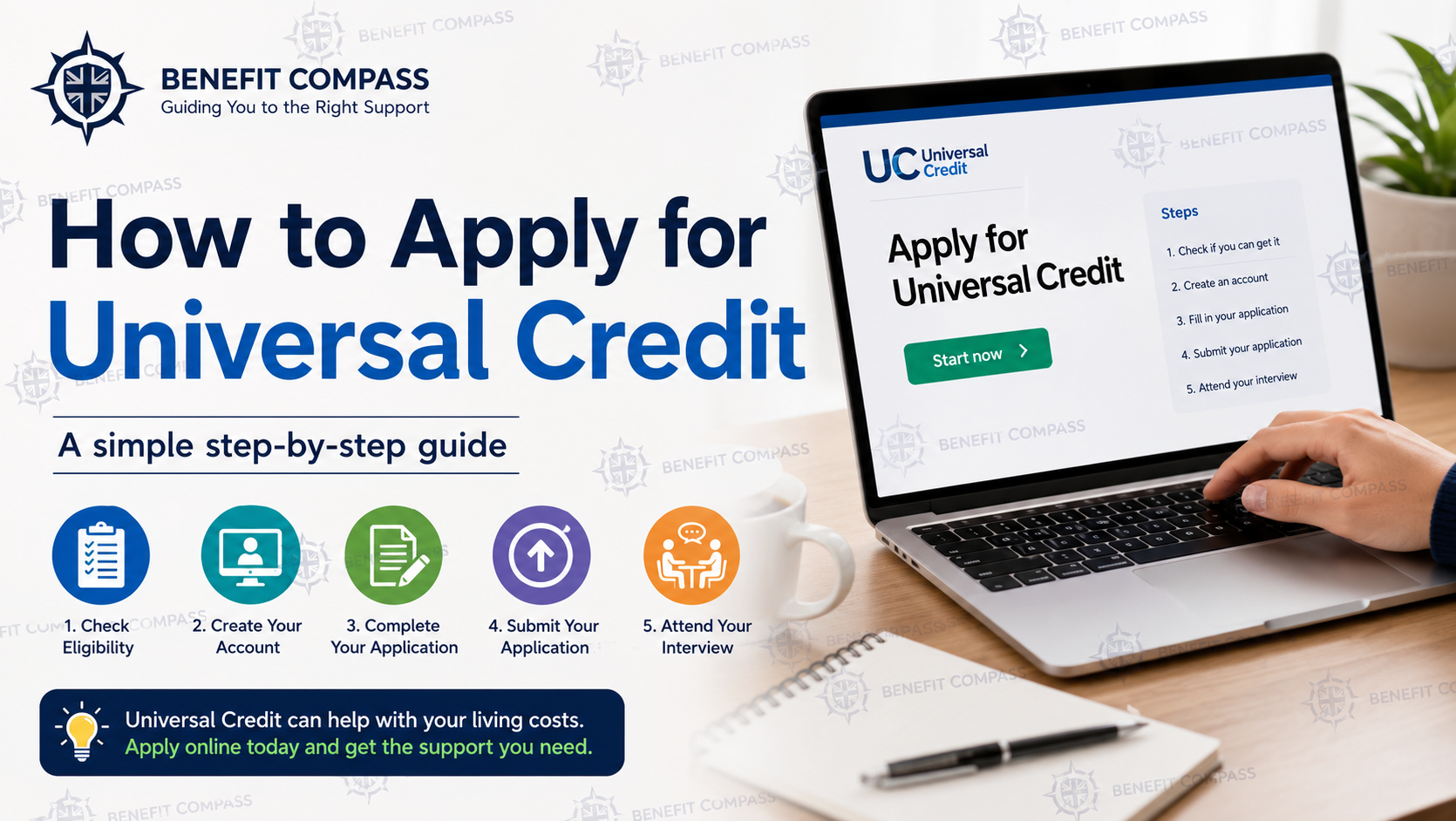
Applying for Universal Credit can feel confusing the first time you do it. There’s paperwork to gather, an online account to set up, and a waiting period that catches a lot of people off guard. The good news? Once you know what to expect, the whole process becomes a lot less stressful.
This guide walks you through exactly how to apply for Universal Credit in 2026, what you’ll need before you start, and what happens after you hit submit.
Visit Now: https://wishlio.site/
What Is Universal Credit?
Universal Credit is the main working-age benefit in the UK. It’s a monthly payment that helps people who are out of work, earning a low income, dealing with a health condition or disability, or who need support with housing and childcare costs.
A common misconception is that you have to be unemployed to qualify. That’s not true. In fact, most people claiming Universal Credit are actually in work — the payment simply tops up their wages, helps with rent, or contributes toward childcare.
Universal Credit has replaced six older benefits: Housing Benefit, Working Tax Credit, Child Tax Credit, Income-based Jobseeker’s Allowance, Income-related Employment and Support Allowance, and Income Support. If you’re still receiving one of these, don’t cancel it just yet — wait until you get a migration notice from the DWP before switching over.
Read More: Universal Credit Eligibility Checker – Who Can Claim in 2026?
Am I Eligible?
Before you apply, check that you meet the basic criteria. Generally, you can claim Universal Credit if you:
- Are 18 or older and under State Pension age (there are exceptions for 16- and 17-year-olds in certain situations, like having a disability or caring responsibilities)
- Live in the UK
- Have savings or capital under £16,000
- Are on a low income or currently out of work
If you have savings between £6,000 and £16,000, you can still claim, but your payment will be reduced. For every £250 you have above the £6,000 threshold, your monthly payment drops by £4.35.
If you live with a partner, you’ll both need to apply — even if only one of you technically qualifies. You’ll each set up your own login, but the system links your claims together automatically.
Not sure if you’d actually be better off? Use the government’s benefits calculator before applying. It only takes a few minutes and gives you a realistic idea of what you could receive.
What You’ll Need Before You Start
Having your documents ready before you begin the application saves you time and prevents delays. Here’s what to gather:
- Your National Insurance number
- Proof of identity (passport, driving licence, or provisional licence)
- Bank account details
- Information about your rent or mortgage
- Details of your income and any savings
- Childcare costs, if applicable
If you’re claiming with a partner, you’ll both need this information ready, even though only one of you needs to complete the main application form.
Step-by-Step: How to Apply for Universal Credit
Check Your Eligibility
Start by confirming you meet the criteria above. Running your numbers through the benefits calculator first can save you from applying for something you won’t qualify for, or discovering too late that you’d have been better off waiting.
Gather Your Information
Pull together everything listed in the section above. The more organised you are here, the faster the rest of the process goes.
Create Your Online Account
Head to the official Universal Credit application page on GOV.UK. You’ll set up an account using a phone number and email address, then create a username, password, and memorable security questions.
Keep this login safe — you’ll use the same account to manage your claim, message your work coach, and upload documents later.
Complete the Application Form
Once your account is set up, you can begin the application itself. It usually takes around 30 to 45 minutes to complete, and you can save your progress and come back later if you need to. Just don’t wait too long — an unfinished application resets after 28 days.
The form will ask about your housing situation, income, savings, and household circumstances. Take your time here, since mistakes can slow down your claim.
Read More: Universal Credit Payment Dates 2026 – Complete Monthly Calendar
Verify Your Identity
After submitting your form, you’ll need to confirm your identity through GOV.UK One Login. In most cases, this can be done online using a passport, driving licence, or provisional licence.
If that doesn’t work for you, you can verify your identity in person at your local Jobcentre Plus or over the phone. Don’t put this off — your claim won’t move forward until your identity is confirmed.
Complete Your To-Do List
Once your identity is verified, check your online account for a to-do list. This might include answering extra questions, uploading evidence like a rent agreement or payslips, or booking your first appointment with a work coach.
New tasks can be added at any time, so it’s worth checking your account regularly rather than assuming you’re done.
Attend Your Work Coach Appointment
Most claimants are asked to attend an interview, either in person or over the phone, with a work coach. This is where your Claimant Commitment is set — a personalised agreement outlining what you need to do to keep receiving payments. Depending on your situation, this could involve job searching, attending training, or simply reporting any changes to your circumstances.
When Will I Get Paid?
This is where a lot of people get caught out. Universal Credit is paid monthly in arrears, and there’s a one-month assessment period followed by up to seven days for processing. In practice, this means your first payment usually arrives around five weeks after you apply.
If you’re worried about managing until then, you can ask for an Advance Payment. This gets you money sooner, but it’s not free money — it’s deducted from your future Universal Credit payments over several months, so budget accordingly.
Common Mistakes to Avoid
A few small missteps can delay your claim or reduce your payment:
- Applying before your final payslip lands. If you’ve just left a job, applying too early might make it look like you’re earning more than you are, pushing your payment down for that month.
- Missing your to-do list items. Your claim won’t progress until every task is completed, so check your account often.
- Cancelling legacy benefits too soon. Don’t stop an existing benefit until you’ve received an official migration notice.
- Letting your application go stale. Remember, an incomplete form resets after 28 days.
Need Extra Help?
If you’re struggling with any part of the process, you don’t have to figure it out alone. Citizens Advice runs a free Help to Claim service, and you can also call the Universal Credit helpline for support. If you can’t apply online at all, phone applications are available too.
Read More: Universal Credit 2026 – New Rules, Payment Rates and Eligibility
Final Thoughts
Applying for Universal Credit doesn’t have to be overwhelming once you break it down into steps. Get your documents ready, set up your account, fill in the form carefully, verify your identity promptly, and stay on top of your to-do list. The five-week wait for your first payment is the part most people find hardest, so plan ahead if you can.
FAQ’s
How to Apply for Universal Credit if I have never claimed benefits before?
If you’re new to the system, the process for how to apply for Universal Credit starts with creating an online account on GOV.UK, then completing the application form and verifying your identity.
How to Apply for Universal Credit as a couple?
When learning how to apply for Universal Credit with a partner, both of you need to create separate logins, but your claims will be linked automatically into one joint claim.
How to Apply for Universal Credit if I don’t have internet access?
If you can’t go online, you can still complete the process of how to apply for Universal Credit by calling the Universal Credit helpline, who can arrange a phone or home appointment.
How to Apply for Universal Credit while self-employed?
Self-employed claimants follow the same steps for how to apply for Universal Credit, but you’ll also need to report your monthly income and expenses through your online journal.
How to Apply for Universal Credit if I’m currently on legacy benefits?
Before switching, check if how to apply for Universal Credit applies to your situation yet — don’t cancel your existing benefit until you receive an official migration notice from the DWP.
How to Apply for Universal Credit with a health condition or disability?
If you have a health condition, the process of how to apply for Universal Credit includes an extra step: a Work Capability Assessment to determine your support group.
How to Apply for Universal Credit if I recently lost my job?
Timing matters here — how to apply for Universal Credit after job loss usually works best once you’ve received your final payslip, so your income doesn’t appear higher than it actually is.
How to Apply for Universal Credit without a bank account?
You’ll need a bank account eventually, but if you don’t have one yet, you can still start the process of how to apply for Universal Credit using a friend or family member’s account for your first payment.
How to Apply for Universal Credit if I’m a student?
Most full-time students can’t claim, but there are exceptions — check the eligibility rules for how to apply for Universal Credit if you have a disability, are a lone parent, or receive certain other benefits.
How to Apply for Universal Credit if my application expires?
If you’re wondering how to apply for Universal Credit after 28 days of inactivity, you’ll need to start a new application, since incomplete claims automatically reset.